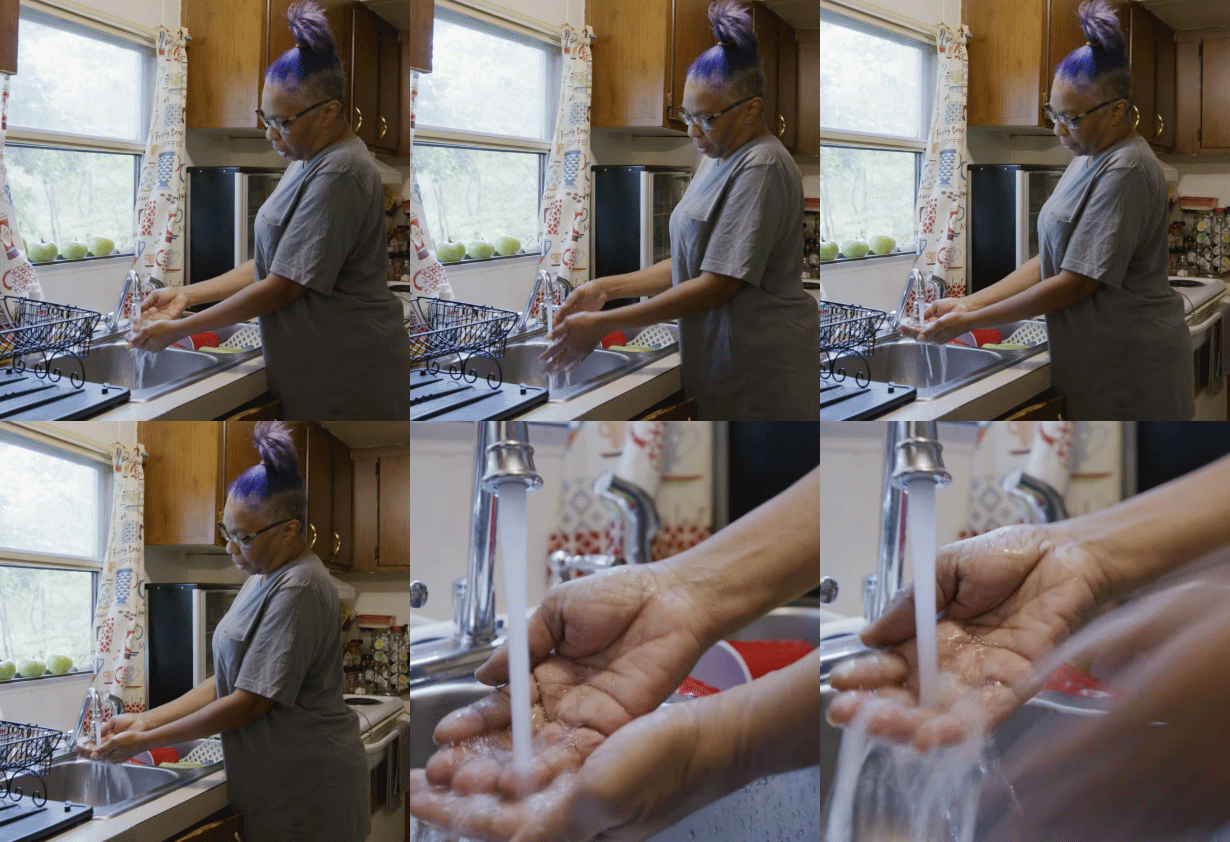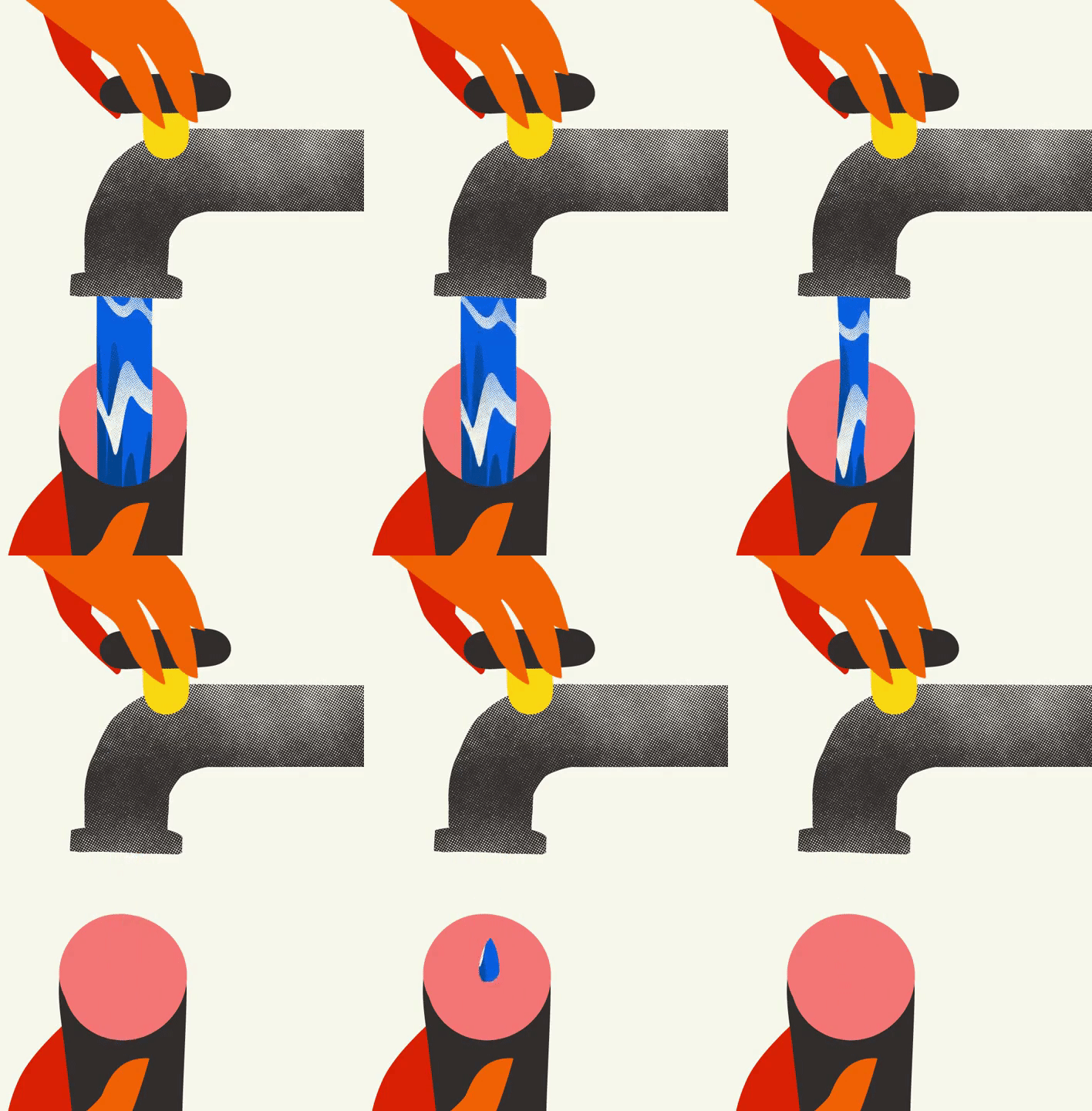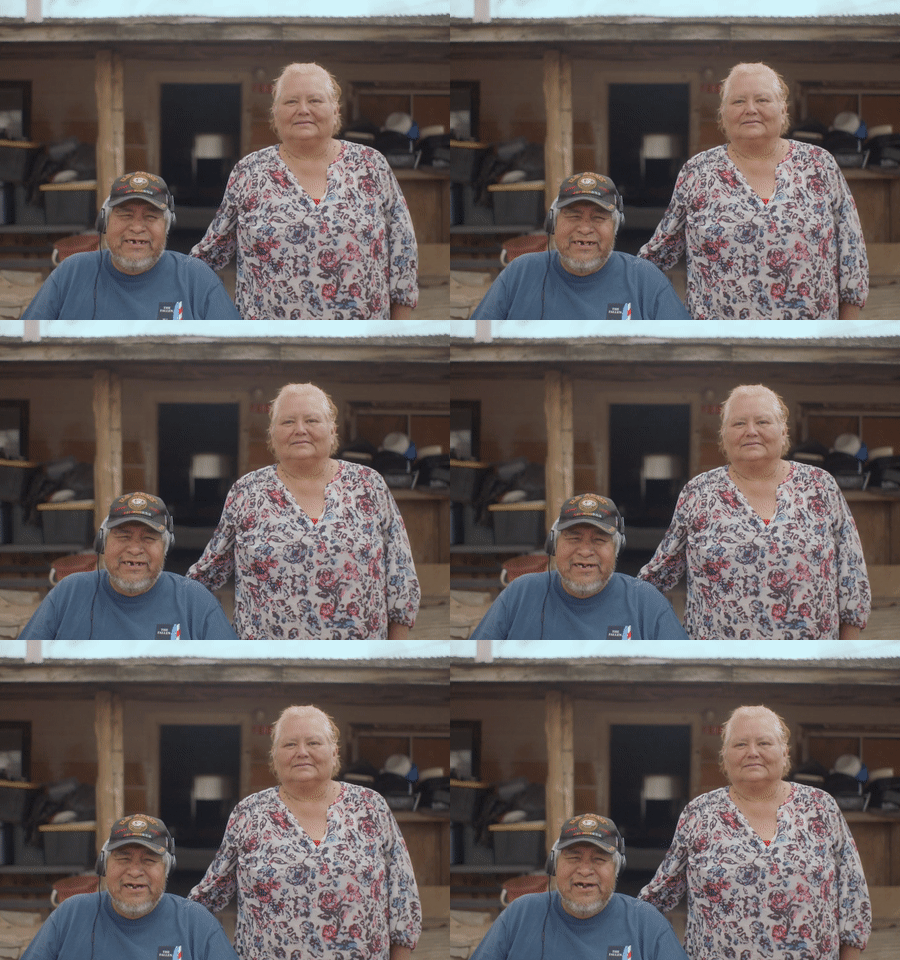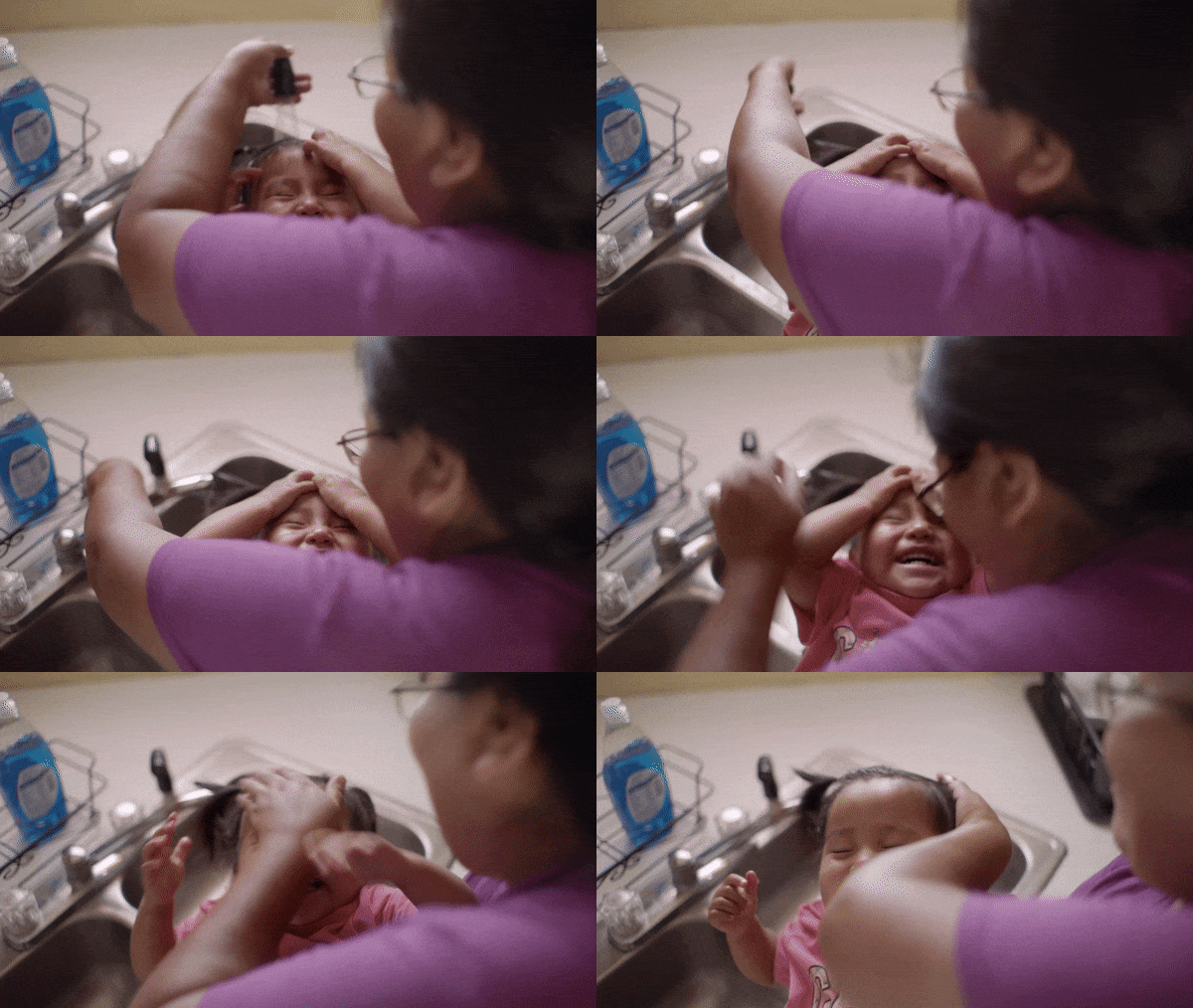

More than half of sub‐Saharan Africans lack access to an improved source of drinking water.
Due to a lack of technology and infrastructure, less than 4% of Africa's renewable water is used on an annual basis. Many
are literally standing over the water needed to save their lives.
You only need to flush your toilet three times to use more
water than most in the Global South use all day to clean, cook,
drink and bathe. In 1982 you would only have needed to flush once.
Diarrhea is a largely preventable, yet more children have died
from it in the past decade than all the people killed in all the
wars since World War II.
An estimated 12 million die every year from a lack of
safe drinking water.
Nearly 4500 children die every day from waterborne diseases.
That's 1.5 times the number of people that died in the World
Trade Center on September 11th.
Over 80% of diseases in the developing world are linked to
poor drinking water and sanitation.
Asian and African women walk an average of 3.75 miles a day
to collect water – carrying between 40-80 pounds of water
home to their families. They often wait up to 5 hours just
to fill their containers.
Hate baggage fees? Next time you pay $25 to check your
45 lb bag – think of African women who must carry 50 lbs of water
for 3.75 miles when $25 could buy them clean water access in
their village for life…
There's just not enough time! Women are not only the ones most
often responsible for water collection, they're also responsible
for taking care of those suffering from waterborne disease.
In some parts of Africa, nearly 85% of a woman's daily
caloric intake is expended collecting water…
At any given moment half of the world's hospital beds
are occupied by people suffering from water-related disease.
If all of the world's water were forced into a single bucket,
only one tablespoon would be fit to drink.
The average American uses 100 gallons of water a day. Water is
so abundant in the United States that some of it is not even metered.
An estimated investment of $9 billion would be enough to provide
universal access to clean drinking water. In 2010, the United States
spent an average of $10 billion a month in Iraq.
Unless something is done, over 75 million people will die
from water-related disease by 2020.
When the United Nations drafted the Universal Declaration of
Human Rights in 1948, water was not among the entitlements listed.
The General Assembly only recognized a right to water in 2010.
Share
Facebook DigDeep
Twitter DigDeep
DigDeeo Fieldnotes
Donate